There are dances that are performed on a stage.
And then there are dances that seem to carry an entire community's memory with them.
Hojagiri belongs to the second kind.
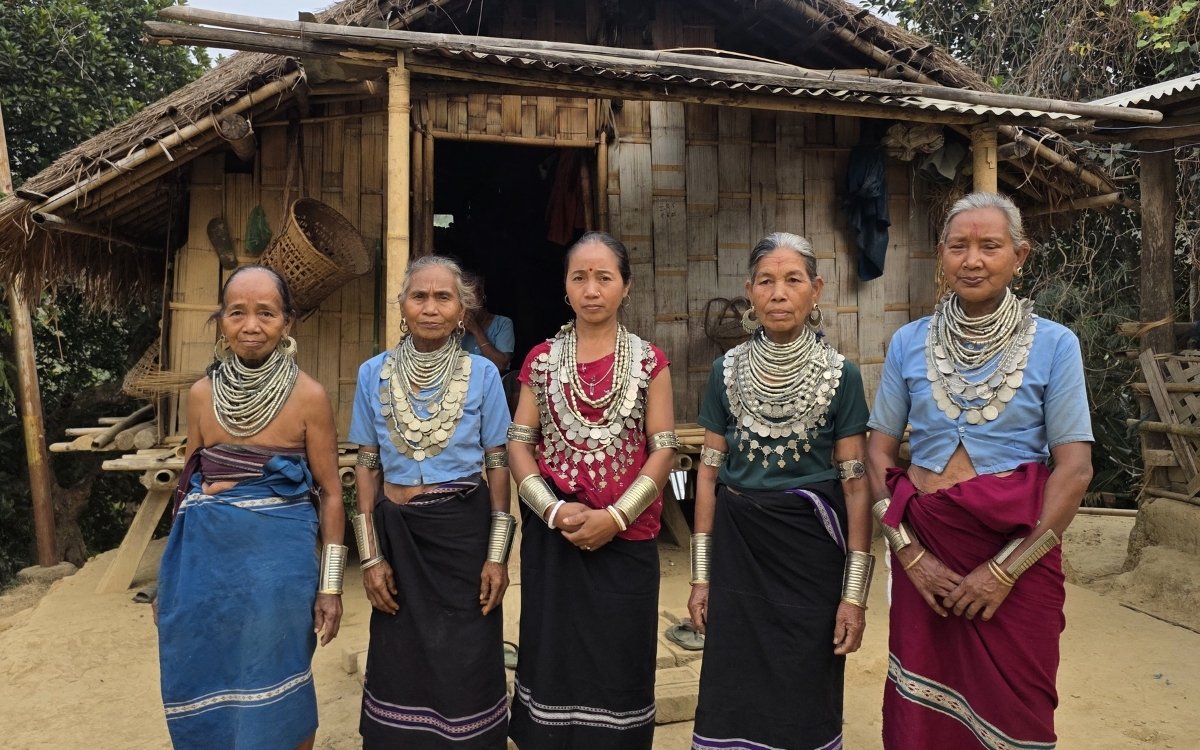
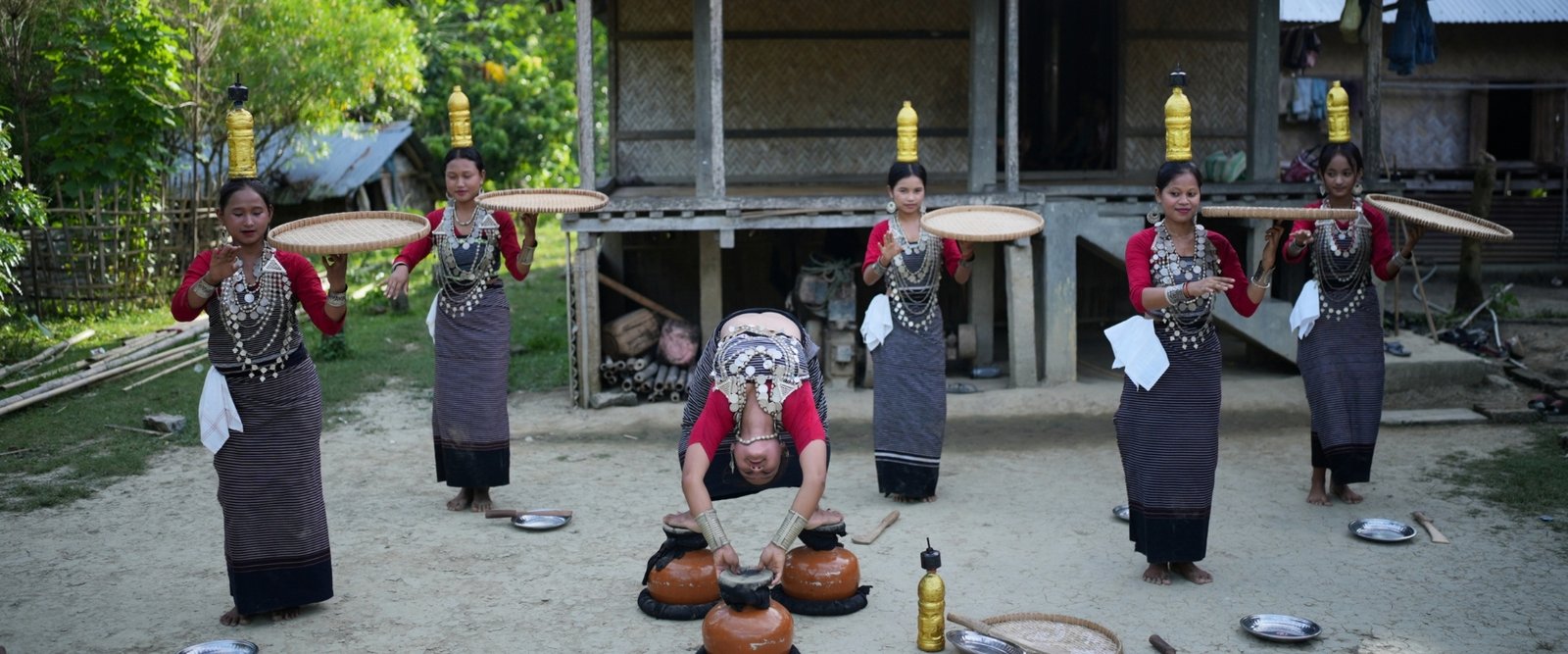
Performed by the Bru (Reang) community of Tripura, Hojagiri is one of the most distinctive traditional dance forms associated with the state. Its extraordinary balance, graceful movements and hypnotic rhythm have made it one of the most recognisable cultural expressions of Tripura.
But to understand Hojagiri, watching a performance is only the beginning.
Because behind every movement is a community.
Behind every rhythm is tradition.
And behind every performance is a story of something that has travelled from one generation to another.
The Government of India’s Ministry of Culture has repeatedly documented Hojagiri as a dance of the Reang community of Tripura, including performances presented through the North East Zone Cultural Centre at national cultural festivals.
But statistics and official descriptions can only tell us what Hojagiri is.
To understand what it feels like, you have to see it come alive.
When the Music Begins
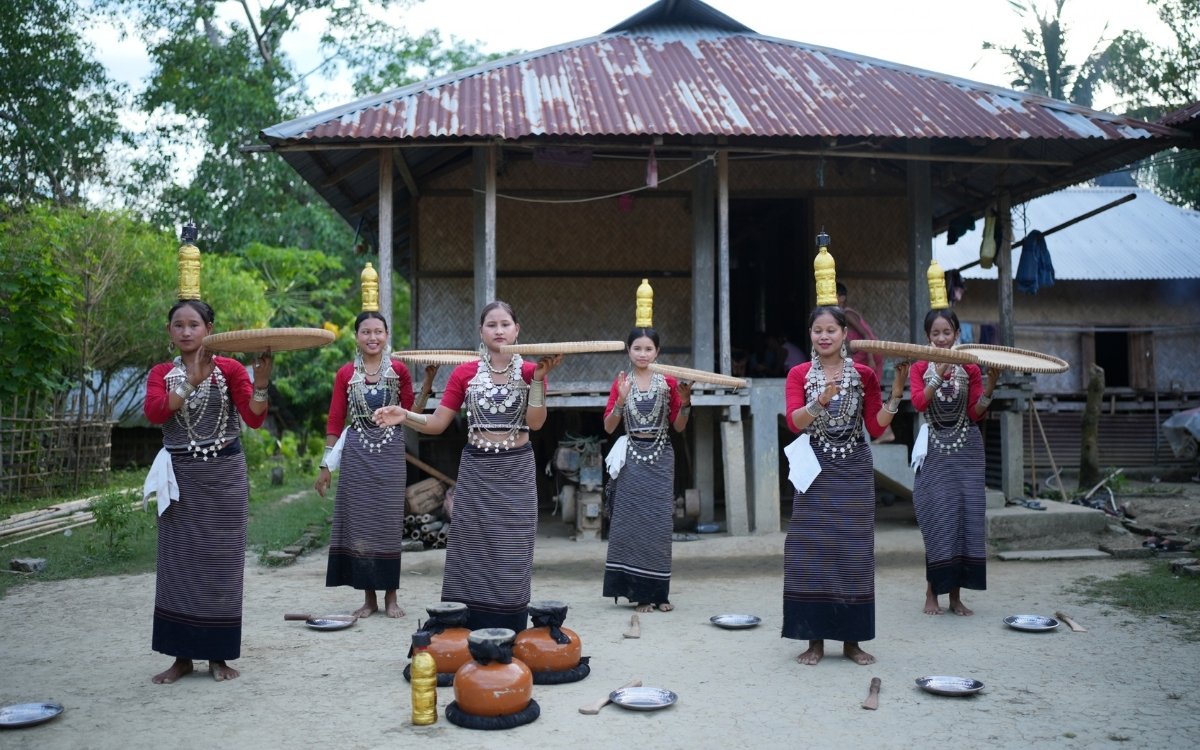
The atmosphere changes before the dance even begins.
People gather.
Traditional music starts filling the space.
The rhythm is steady, almost hypnotic.
And then the dancers appear.
The movements are controlled.
Graceful.
Almost effortless.
But the longer you watch, the more you realise how much concentration lies behind that apparent ease.
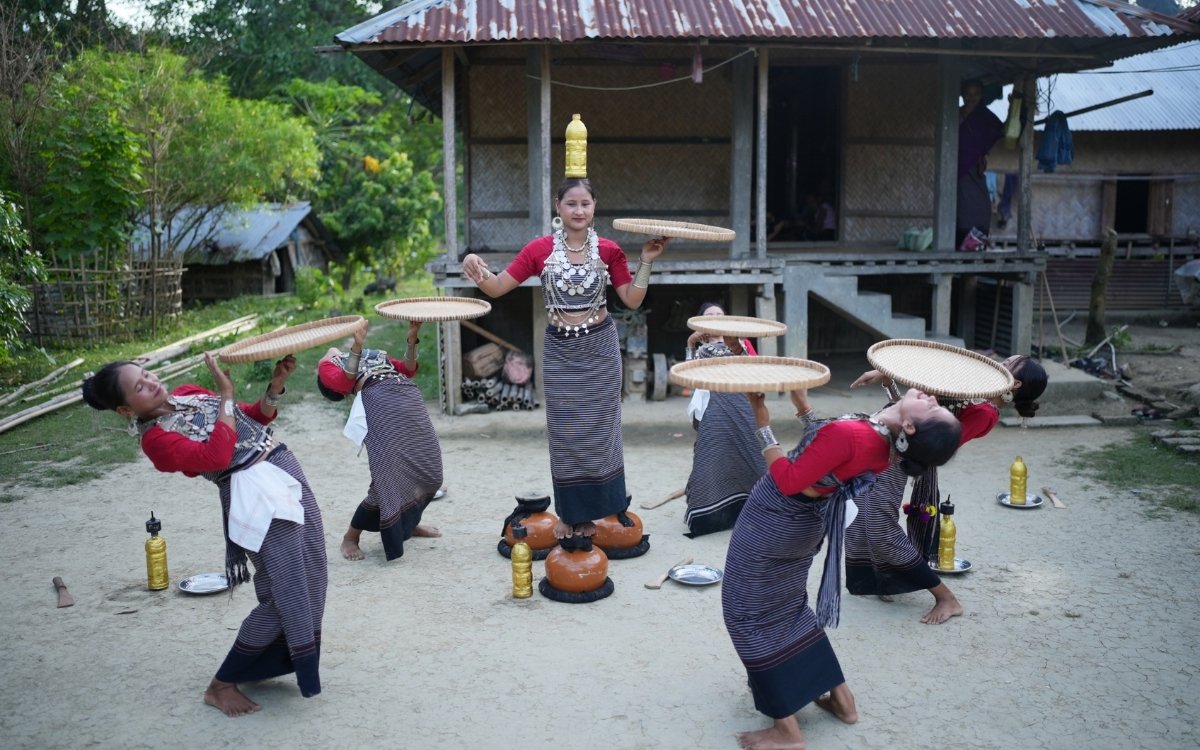
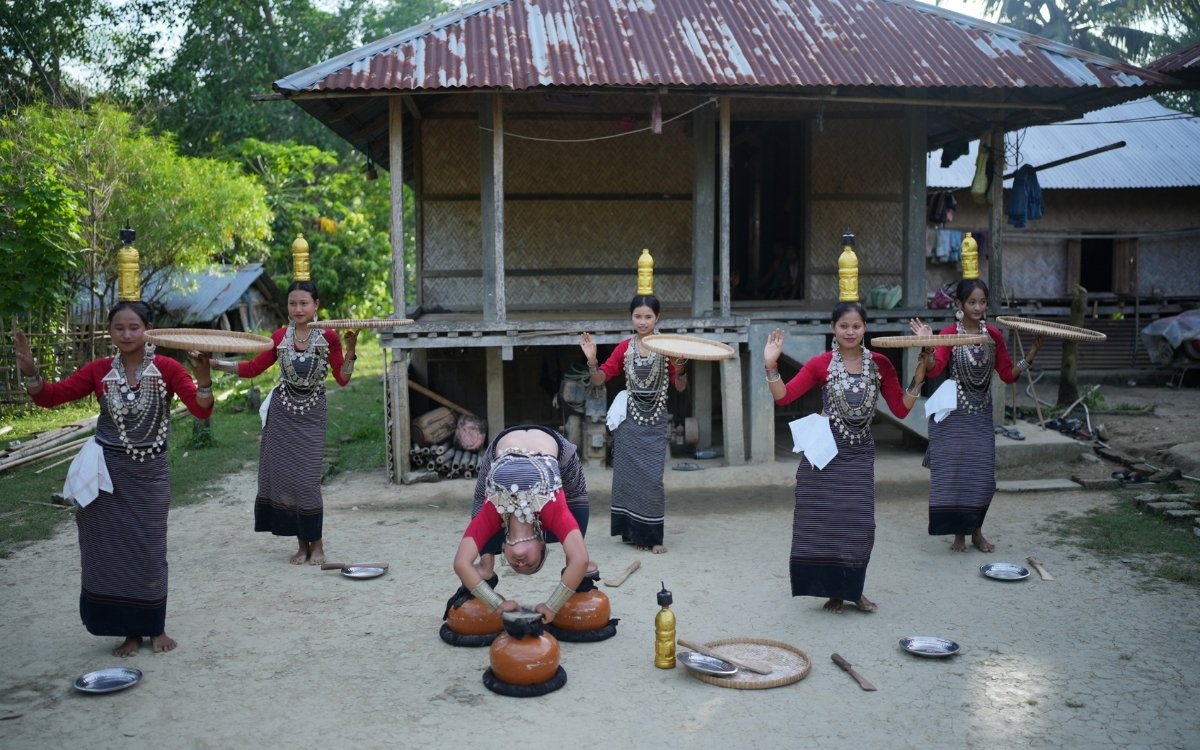
Hojagiri is famous for its remarkable balance. Dancers perform while maintaining carefully controlled postures and movements, often incorporating balancing acts that demand practice, coordination and extraordinary body control.
What looks effortless from the outside is the result of discipline.
Years of learning.
Years of watching.
Years of practising.
The Art of Balance
Perhaps the most fascinating thing about Hojagiri is its relationship with balance.
The dancer's body moves gently with the rhythm while maintaining an extraordinary sense of stability.
In traditional performances, dancers may balance objects as part of the presentation, creating a visual spectacle that makes the dance immediately recognisable.
But the real beauty isn't simply in balancing an object.
It is in balancing movement and stillness.
Strength and grace.
Concentration and expression.
Every small movement matters.
A slight shift of the body can change the entire performance.
The dancer must remain completely aware of rhythm, posture and balance at the same time.
Watching it closely makes you realise that Hojagiri isn't simply a dance.
It is a physical language.
A Dance Rooted in Community
Like many traditional dance forms, Hojagiri is not something that exists separately from community life.
It belongs to the people who practise it.
It is taught through observation and participation.
Young dancers learn by watching older generations.
Movements are repeated.
Rhythms are remembered.
Performances become lessons.
And slowly, the next generation learns how to carry the tradition forward.
This is how intangible cultural heritage survives.
Not simply because someone decides to document it, but because people continue to practise it.
More Than a Performance
When tourists see Hojagiri for the first time, the balancing movements often become the thing they remember most.
And understandably so.
It is visually remarkable.
But reducing Hojagiri to an impressive balancing act would miss the deeper story.
The dance is an expression of the Bru (Reang) cultural identity.
The costumes, music, movements and collective performance create something larger than the individual dancer.
It becomes a representation of a community.
A way of saying:
This is who we are.
The Rhythm Behind the Dance
A dance cannot exist without music.
The rhythm creates the space in which the dancers move.
Traditional instruments accompany Hojagiri performances, providing the pulse that guides the dancers.
The music is not simply background sound.
It is part of the dance itself.
The beat determines movement.
The movement responds to the beat.
And together they create a performance that feels almost like a conversation between the musicians and dancers.
The longer you watch, the more you notice this relationship.
Nothing feels accidental.
Everything is connected.
Traditional Attire
Then there is the visual language of Hojagiri.
The traditional attire worn by the dancers adds another layer to the performance.
Colours, fabrics, ornaments and movement come together as the dancers move.
The clothing isn't simply there to make the performance look beautiful.
It connects the dance to the community that created it.
When traditional dress appears alongside traditional music and dance, you are not simply watching a performance.
You are seeing several parts of a cultural identity come together in one moment.
The Young Learning From the Old
Perhaps the most important part of Hojagiri is something you don't always notice during a performance.
The next generation is watching.
A child standing at the edge of the gathering may not understand every movement today.
But they are watching.
They see how the dancers move.
They hear the rhythm.
They see the traditional clothing.
They experience the excitement of the community coming together.
One day, that child may become a dancer.
And when that happens, the tradition moves forward again.
This is how culture survives.
One generation teaches another.
One song becomes another memory.
One performance becomes another lesson.
Why Hojagiri Matters Today
The world is changing quickly.
Traditional lifestyles are changing with it.
Young people move to cities.
Modern entertainment becomes increasingly accessible.
Languages and traditional practices in many communities face the challenge of being passed on to younger generations.
In that environment, traditional art forms like Hojagiri become more than performances.
They become a connection to identity.
A reminder of where a community comes from.
A way for younger generations to remain connected to their heritage.
And when visitors show genuine interest in the dance, they create another opportunity for that tradition to be valued.
When a Cultural Performance Becomes a Conversation
The most meaningful cultural experiences don't end when the music stops.
They begin with questions.
Who taught you this dance?
How long have you been performing?
What does this instrument sound like?
When do you perform?
What does this tradition mean to your community?
These conversations transform a performance into an exchange.
The visitor learns.
The community shares.
And both leave with something they didn't have before.
That is the kind of travel that stays with you.
Seeing Hojagiri in Its Own Cultural Landscape
There is a difference between watching Hojagiri on a large stage in a city and experiencing it in the cultural landscape where the tradition belongs.
On a stage, you see the performance.
In a village, you can begin to understand the context.
You see the traditional homes.
You meet the people.
You hear the language.
You taste the food.
You learn about everyday life.
And suddenly, the dance makes more sense.
It isn't an isolated performance.
It is one part of a much larger cultural story.
A Dance That Refuses to Disappear
Perhaps the most beautiful thing about Hojagiri is not its difficulty.
Not the balance.
Not the costumes.
Not even the music.
It is the fact that people continue to perform it.
Because every time a dancer steps forward, the past meets the present.
Every time a traditional rhythm is played, an old memory becomes alive again.
Every time a young dancer learns a movement from an elder, a piece of cultural knowledge moves into another generation.
That is how traditions survive.
They are not frozen.
They are lived.
The Memory in Every Movement
A traditional dance can tell you things that words cannot.
Hojagiri speaks through rhythm.
Through balance.
Through movement.
Through costume.
Through the collective energy of the community.
And perhaps that is why watching it feels different from watching an ordinary performance.
You aren't simply watching people dance.
You are watching a community remember.
Experience the Hojagiri Tradition of Tripura
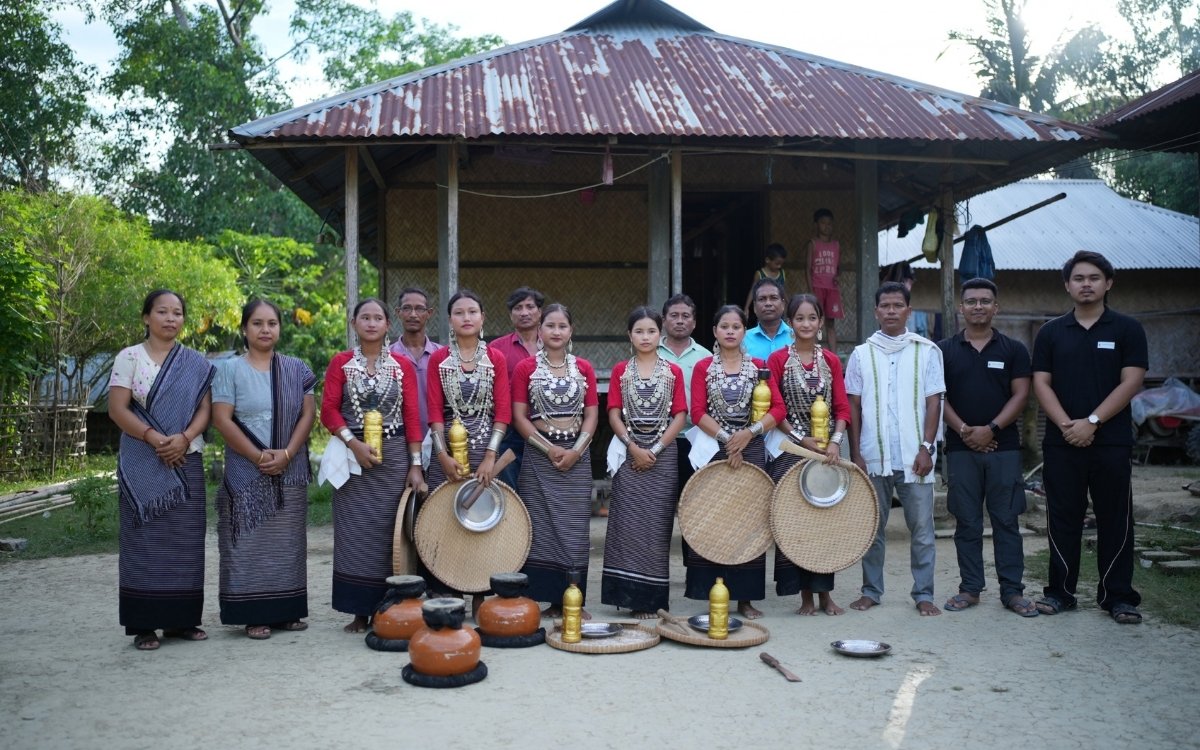
If you want to experience the Bru (Reang) community of Tripura beyond photographs and tourist attractions, Hojagiri offers a beautiful doorway into their living culture.
Through our Soul of Tripura journey, Northeast Travel Experts creates opportunities to meet local communities, understand their traditions and experience the cultural richness of Tripura through meaningful encounters.
Because sometimes, the best way to understand a place is not to look at it.
It is to sit down, listen to its music, and let its stories move with the rhythm.
And when the dance ends, the story doesn't.
It stays with you.