Nestled in the remote hills of northeastern Nagaland, the Konyak Tribe is one of the most fascinating indigenous communities of India. Known for their distinctive facial tattoos, elaborate traditional attire, and rich warrior history, the Konyaks have long captured the imagination of travelers and cultural enthusiasts alike. Once feared as formidable headhunters, today they stand as proud custodians of a unique heritage that has survived the test of time.
Who Are the Konyaks ?
The Konyaks are the largest tribe of Nagaland and primarily inhabit the district of Mon District, which borders Myanmar. Their villages are scattered across rolling hills and dense forests, where traditions continue to play an important role in daily life.
Historically, the Konyaks were known as fierce warriors. Before the arrival of Christianity and modern governance, headhunting was practiced as a symbol of bravery, strength, and protection of the village. While this practice ended decades ago, its legacy remains an integral part of Konyak history and identity.
The Meaning Behind the Tattoos
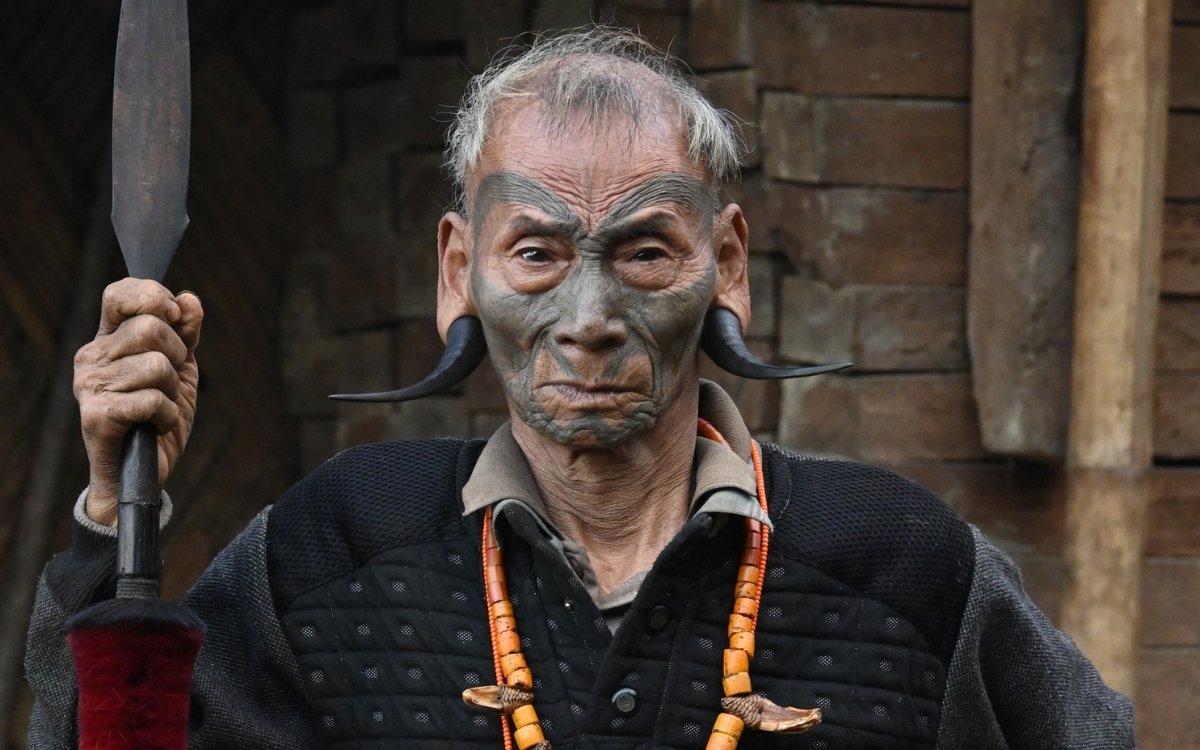
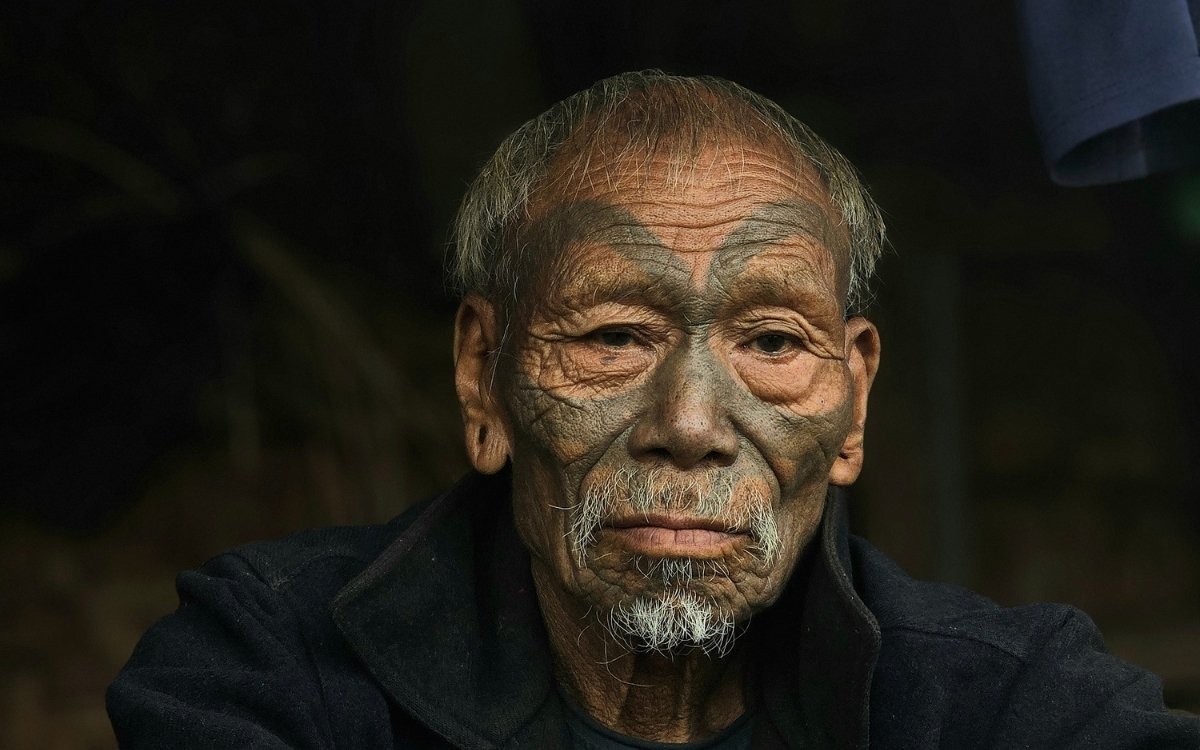
One of the most recognizable features of the Konyak people is the intricate facial and body tattoos worn by many elderly men. These tattoos were not merely decorative; they represented achievements, social status, and acts of valor.
A tattooed face often indicated that a warrior had successfully participated in battles and earned respect within the community. Today, these tattoos serve as living reminders of a rapidly disappearing chapter of history.
Life in the Morungs
At the center of traditional Konyak society stood the Morung, a communal dormitory where young boys learned survival skills, tribal history, warfare techniques, and cultural values from village elders.
Decorated with wood carvings, hunting trophies, and traditional motifs, Morungs were not only educational spaces but also symbols of community strength and unity.
Festivals and Celebrations
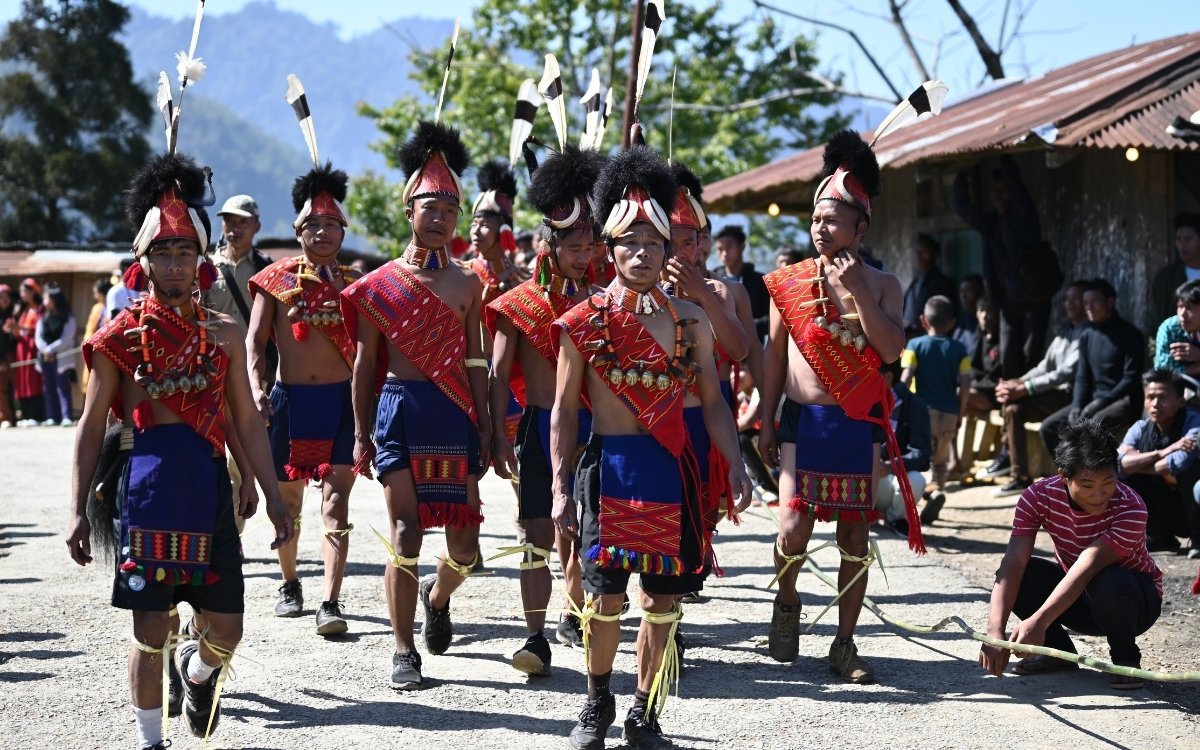
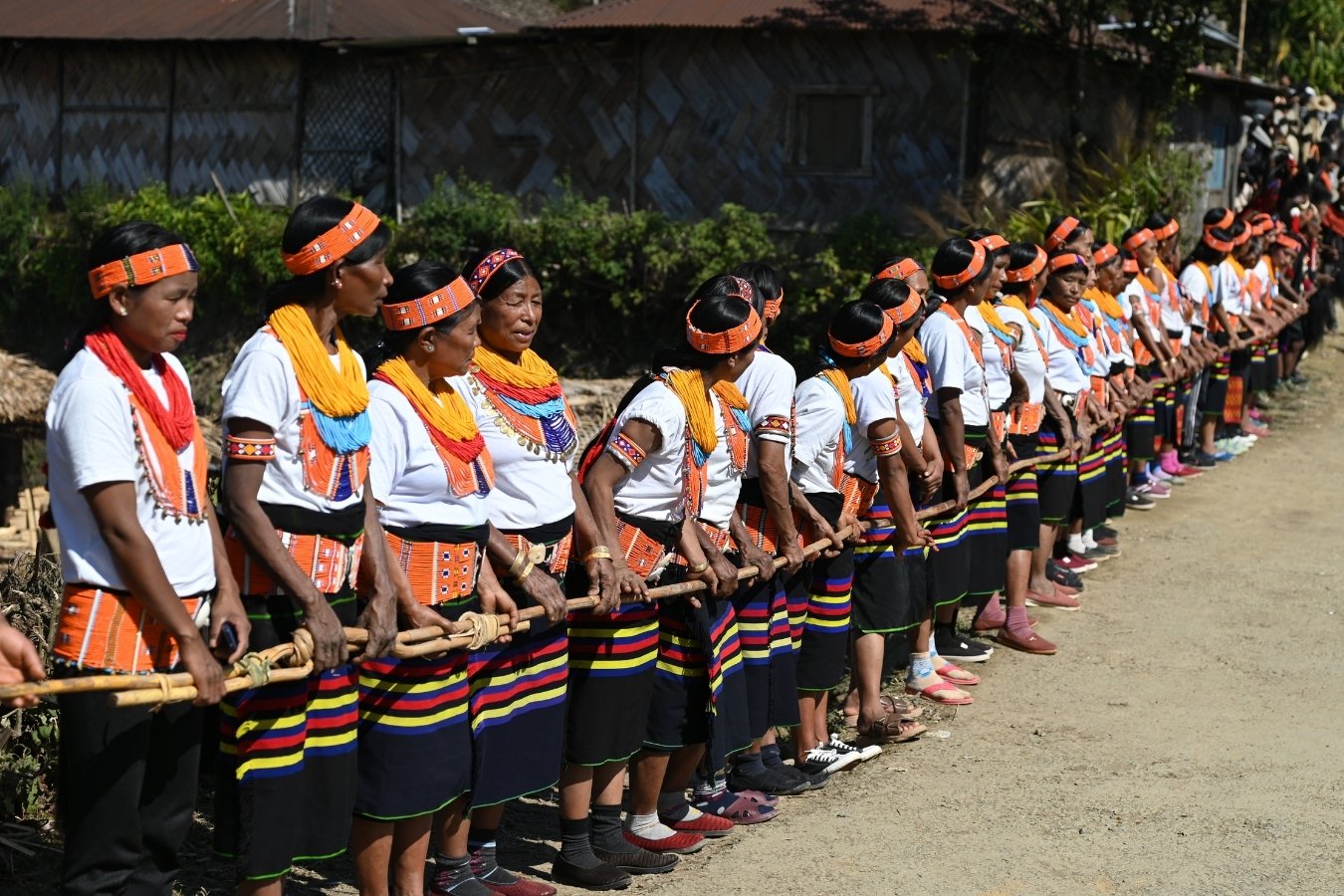
The most important festival of the Konyak Tribe is the Aoleang Festival, celebrated every year in April. Marking the arrival of spring and the beginning of a new agricultural season, the festival fills villages with music, dance, colorful attire, and traditional feasts.
Visitors during Aoleang witness a vibrant display of Konyak culture, from warrior dances and folk songs to traditional ceremonies passed down through generations.
Traditional Attire and Ornaments
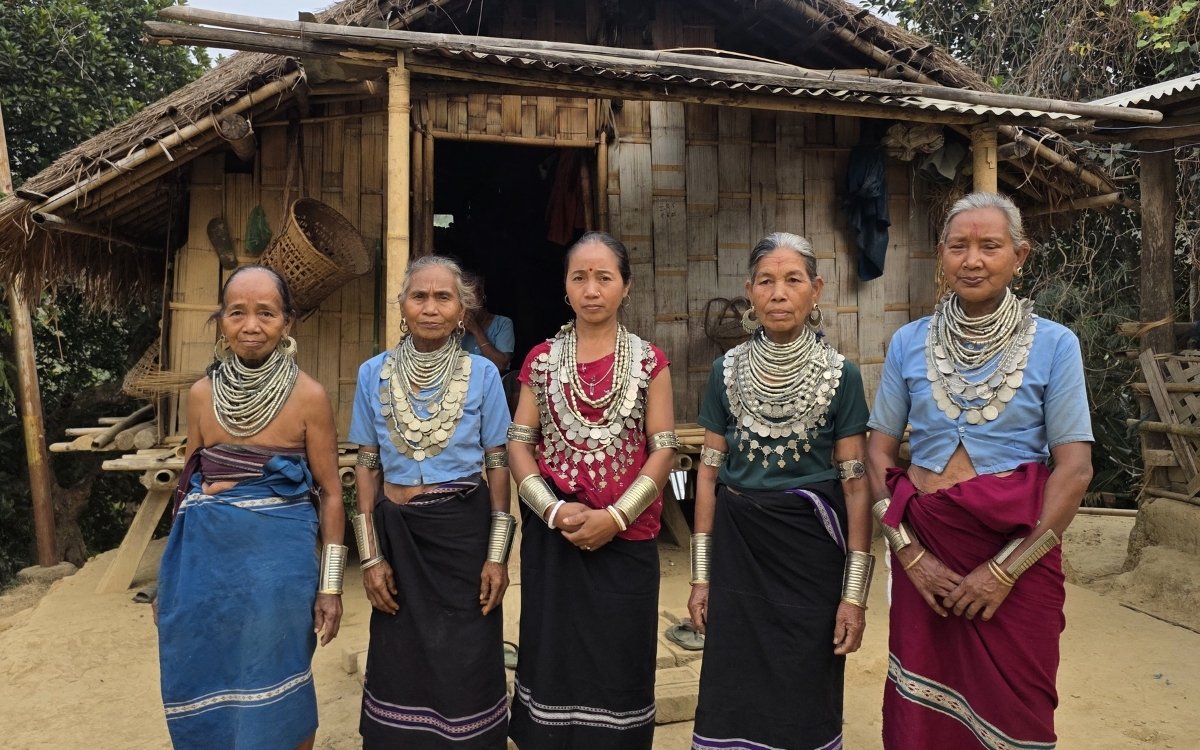
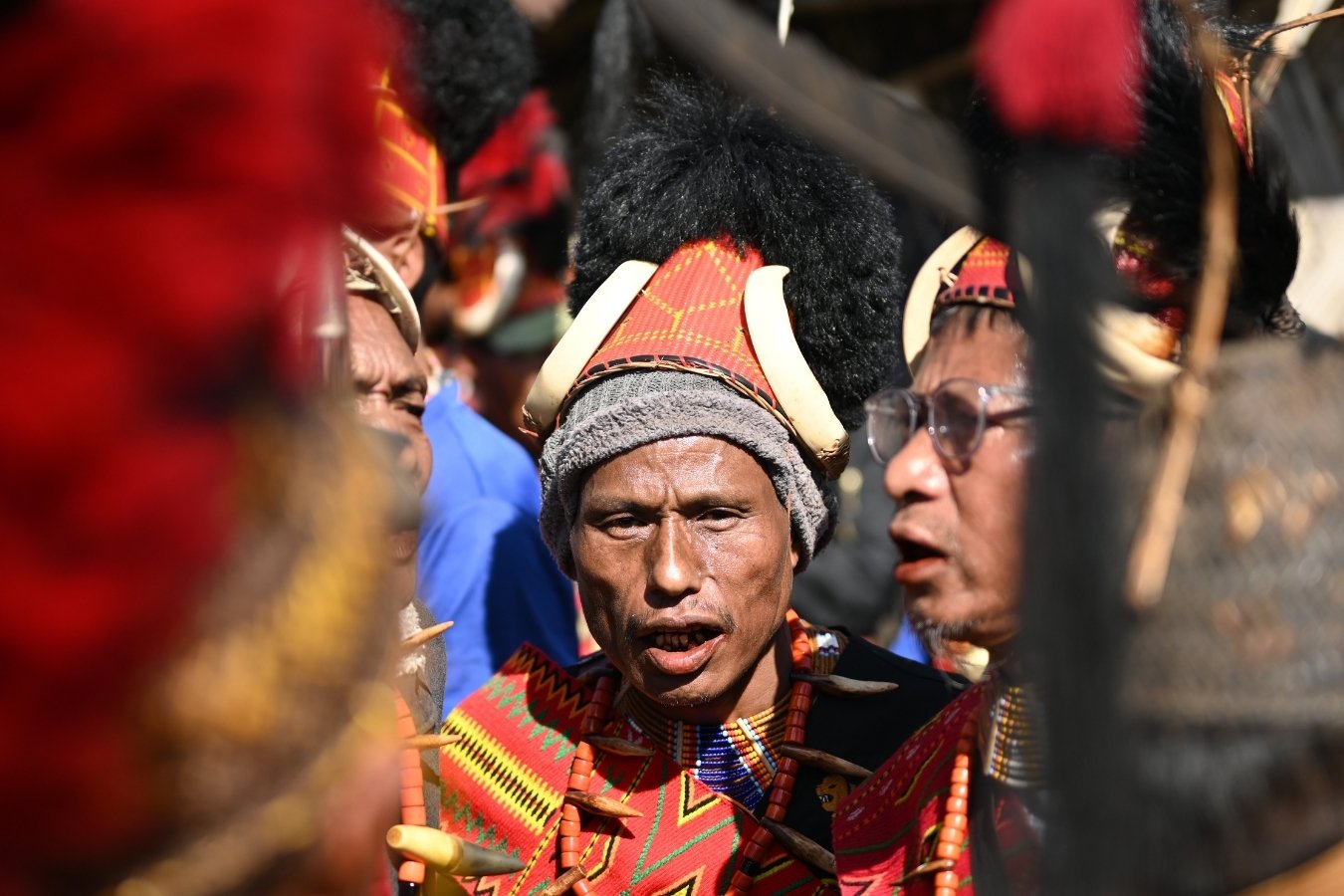
Konyak traditional attire reflects their warrior heritage. Men often wear elaborate headgear adorned with hornbill feathers, boar tusks, beads, and brass ornaments. Women wear beautifully crafted necklaces, beads, and woven garments that showcase their artistry and cultural identity.
Every ornament and accessory carries cultural significance, often indicating social standing, achievements, or clan affiliations.
Longwa: A Village Between Two Nations
Perhaps the most famous Konyak village is Longwa Village. What makes Longwa unique is that the international border between India and Myanmar passes through the village itself.
The traditional house of the village chief, known as the Angh, famously straddles both countries. Visitors can literally stand in India and Myanmar at the same time, making Longwa one of the most intriguing destinations in Northeast India.
Preserving a Living Heritage
While modernization has brought significant changes to Konyak society, the community continues to preserve its customs, festivals, craftsmanship, and oral traditions. Younger generations are increasingly taking pride in documenting and promoting their heritage, ensuring that their stories are not forgotten.
Today, the Konyaks welcome visitors not as warriors but as hosts eager to share their culture, history, and way of life.
Why Visit the Konyak Region?
For travelers seeking experiences beyond conventional tourist destinations, the Konyak region offers something truly extraordinary. From ancient traditions and tattooed elders to remote villages and breathtaking landscapes, every journey into Konyak territory reveals a deeper understanding of Nagaland's rich cultural heritage.
It is a place where history lives through people, where stories are passed down around fires, and where traditions continue to shape everyday life.
The Konyak Tribe represents one of the most remarkable cultural legacies of Northeast India. Their warrior past, vibrant festivals, artistic traditions, and enduring sense of identity make them an essential part of Nagaland's heritage.
A visit to Konyak land is more than a journey through beautiful hills it's an opportunity to step into a living history and connect with a culture that remains as captivating today as it has been for centuries.